Soft Wash vs Pressure Wash: The Best Method for Cleaning Illinois Roofs in Herrin, IL
Dark streaks, moss, and grime can make a roof in Herrin look old long before its time. The big question most homeowners ask is whether a soft wash or a pressure wash is the right way to fix it. For most shingle roofs across Southern Illinois, the safer choice is a controlled soft wash that lifts algae without force. If you want a deeper dive or you’re ready to refresh your home, explore our soft wash roof cleaning service to see how it protects shingles while restoring curb appeal.
Why Roof Cleaning Matters In Herrin’s Climate
Herrin sits in a humid zone with hot summers and cool, wet winters. That mix invites algae and lichen to spread on shaded north-facing slopes and under overhanging trees in neighborhoods like Cambria and Carterville. Left alone, that growth holds moisture against the roof and makes granules loosen on asphalt shingles. Clean, dry shingles last longer and keep your whole home looking cared for.
What Soft Washing Really Does
Soft washing uses low pressure paired with a roof-safe cleaning solution to break down the organic stains that cause black streaks. The pressure is gentle, closer to a garden spray than a blast, so it doesn’t shear off shingle granules or flex flashing. Technicians apply, allow dwell time, then rinse to carry away residue. The result is an even, bright roof without the risks that come with brute force.
- Best for: asphalt shingles, composite shingles, most low-slope systems, and many clay or concrete tiles
- Main goal: remove algae, mildew, lichen, and grime without mechanical abrasion
Never use high pressure on asphalt shingles. Granules protect the asphalt from the sun and weather. Once they’re gone, shingles age fast, and warranties may be at risk.
Where Pressure Washing Fits and Fails
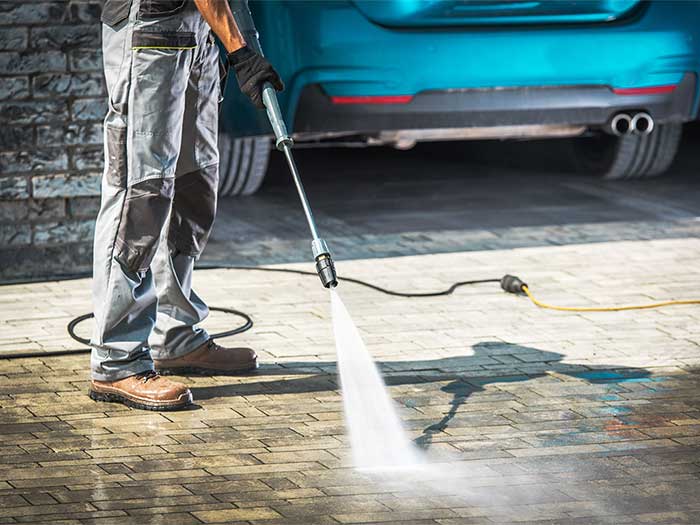
Pressure washing has a place, but it’s usually for hardy materials like some metal panels or for ground-level surfaces such as driveways and brick. On a roof, concentrated pressure can tear shingle edges, force water up under tabs, and scar sealant. Even on metal roofs, too much force at the seams or fasteners can compromise coatings.
There are rare cases where a low setting with a wider fan tip can help with stubborn debris on durable roofs, but it must be controlled by a pro who understands roof assemblies. Most Herrin homes use asphalt shingles, so the gentler soft wash is the smarter path.
Soft Washing vs Pressure Washing For Roofs: A Side-by-Side Look
- Force: soft wash uses a low-pressure application; pressure wash relies on mechanical force
- Risk: soft wash minimizes granule loss and water intrusion; pressure wash increases both
- Finish: soft wash delivers an even clean; pressure wash can leave wand marks or streaks
- Longevity: soft wash helps the roof shed water and heat; misused pressure shortens roof life
Ask for a method built around your roof material, not a one-size-fits-all approach. That’s how you get results without regret.
The Best Method By Roof Type In Southern Illinois
Asphalt shingles: Soft wash is the standard. It treats the staining at its source and protects the UV-blocking granules that keep your shingles healthy. If you’ve searched for “asphalt shingle cleaning Illinois,” this is the method that meets manufacturer expectations for most brands.
Metal roofs: Many metal systems respond well to a soft wash and gentle rinse. A professional might use slightly more rinse pressure at a safe distance to clear valleys and ribs, but the aim remains low stress on seams and coatings.
Tile roofs: Clay and concrete tiles can be fragile underfoot and at edges. Soft wash reduces the chance of cracking or chipping while still clearing organic buildup from the tile surface and overlaps.
Flat and low-slope membranes: These systems demand care around seams and drains. A tailored soft wash keeps water flow predictable and avoids forcing moisture under laps.
Safety, Warranty, And Roof Health
Manufacturers of shingle roofs focus on granule retention and water shedding. A soft wash respects both. Pressure can void coverage if it strips material or drives water beneath shingles. Roof safety also matters for crews and your property. A low-pressure process keeps overspray controlled and reduces the chance of lifting ridge vents or flashing.
Confirm your contractor follows a low-pressure roof process and protects landscaping during runoff. The right prep and a careful rinse make a big difference in how your yard looks afterward.
Signs Your Herrin Roof Needs Attention
Some signs are obvious. Others are subtle until the afternoon sun hits just right on streets near the Herrin City Park. Look for these cues:
- Black or brown streaks that don’t rinse away after rain
- Green patches on shaded slopes or near trees
- Granules are collecting in gutters after storms
- Moss clumps at shingle edges or around skylights
When you spot one or more, a soft wash can stop the spread and restore the roof’s clean look before the stains bake in through another hot summer.
Timing Your Roof Cleaning In Herrin, IL
Spring and fall are the most comfortable seasons for roof cleaning around Williamson County. Spring clears winter debris so your roof dries faster after storms. Fall removes summer growth before winter moisture lingers. If trees drop heavy pollen or leaves in your part of town, plan service after the worst of the drop so the result stays fresh longer.
Regular care matters more than the exact month. Many homeowners set a two- or three-year cycle depending on tree cover and shade. When growth returns sooner on streets lined with mature oaks, earlier scheduling keeps stains from nesting into the shingle surface.
If you want the safest route for your asphalt shingles, learn how our team handles roof cleaning in a gentle, low-pressure system that protects granules and flashing while clearing dark streaks.
How Professional Power Washing Supports Your Whole Exterior
Your roof ties into gutters, siding, and walkways. When a roof stays clean, runoff is clearer, and grime doesn’t streak the fascia or siding during storms. Our crews also understand overspray and property protection, so surrounding areas are rinsed in the right direction and kept tidy. If you’re planning a larger exterior refresh, start with the roof, then schedule other services in a smart order to avoid rework with your trusted power washing team.
Protect the roof first, then the rest of the exterior follows. That simple sequence helps results last and keeps your home looking cared for from the curb.
Soft Wash Myths: Clearing The Air
Myth: Soft wash is just “low-pressure water.” Reality: The process relies on dwell time and technique, not force. It targets the organic film that makes shingles look older than they are.
Myth: Pressure wash is faster, so it’s better. Reality: On roofs, speed without care risks granule loss, water intrusion, and uneven results. A professional soft wash is designed for roofs and extends the appearance between cleanings.
Local Factors That Influence Your Cleaning Plan
- Tree coverage: Herrin’s mature neighborhoods bring shade that keeps shingles damp after rain. Shade feeds algae. If your lot is heavily wooded, expect to clean more often.
- Roof pitch and access: Steeper roofs and multi-level homes near Marion or Carterville need careful staging and safety planning. That’s another reason to choose a pro with the right equipment and training.
- Ventilation and sun exposure: Good attic ventilation helps shingles dry and stay cooler. South-facing slopes may fade a bit faster from the sun but tend to dry faster, which can slow algae compared to deep shade.
Ready To Pick The Right Method?
Now you know why soft washing is the go-to for most Illinois roofs and where pressure washing falls short. If your shingles show dark streaks or moss, a low-pressure approach is safer for the roof, gutters, and landscaping. You can talk through your needs with Custom Powerwash Service and set a visit that fits your schedule. For quick help, call 618-925-7123 and ask about Herrin roof cleaning availability.
Choose the method that protects your roof, not just cleans it for the day. Your home deserves a solution built for Illinois weather and the materials on your roof.